How an Estate Operations Executive Supports Financial and Estate Planners
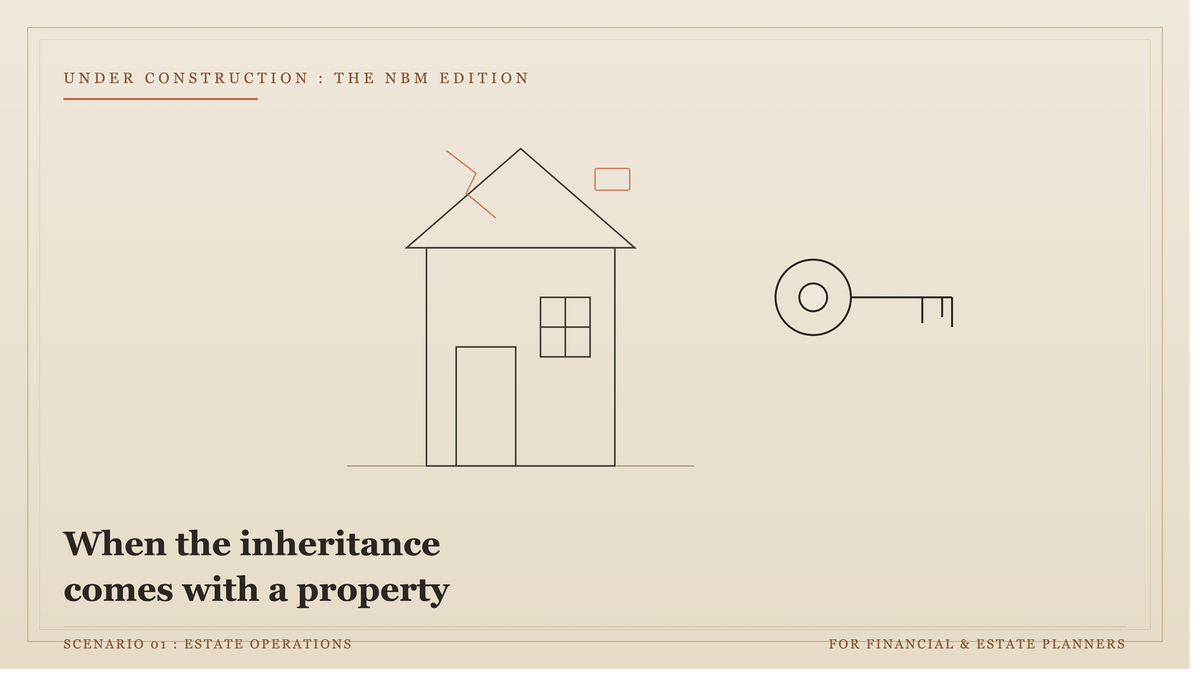
When a client inherits a property they don't know how to manage
Here's a scenario most financial and estate planners have lived through at least once.
A client loses a parent. Along with the grief, they inherit a property. Maybe it's the family home. Maybe it's a vacation property in another state. Maybe it's a small portfolio of rental units that the parent managed personally, with no formal systems, no documented vendor relationships, and no paper trail beyond a shoebox of receipts.
The client comes to you because you're already managing their financial picture. But what they actually need help with isn't a financial question. It's an operational one.
Who do I call when the HVAC fails? Is this roof actually in good shape, or is someone going to tell me in six months that it needs $40,000 of work? Should I sell this property, rent it, or keep it in the family? What's it actually costing to maintain, separate from what it's worth on paper?
This is where the relationship between a planner and their client can quietly become strained, not because the planner did anything wrong, but because the client now has a problem outside the planner's lane. Most planners aren't equipped to assess a property's physical condition, negotiate with contractors, or build an ongoing maintenance plan. That's not a criticism. It's simply not the job.
This is exactly the gap an Estate Operations Executive fills.
When I step into a situation like this, the first thing I do is get eyes on the actual condition of the property. Not a drive-by assessment. A real walkthrough: roof, mechanical systems, structural elements, code compliance, deferred maintenance. I'm looking for what's urgent, what's coming, and what's cosmetic.
From there, I build a clear picture for the client and, with permission, for the planner: what this property will realistically cost to maintain over the next one, five, and ten years. That number changes the financial conversation. A property that looks like an asset on a balance sheet can quietly behave like a liability if nobody is managing it properly.
I also take the operational weight off the client's plate entirely if that's what they want. Vendor relationships, maintenance schedules, emergency response, vetting and overseeing any necessary renovation or repair work. The client gets a property that's actually managed instead of one they're anxious about every time the phone rings.
For the planner, this means the financial plan you built for your client doesn't get derailed by a problem outside your scope. The numbers you're working with reflect reality, not guesswork about what an inherited property actually costs to hold onto.
If you have a client sitting on an inherited property right now and unsure what to do with it, that's usually the moment to bring in someone who can assess it properly before any major financial decision gets made about it.
For planners: how often does an inherited property complicate a financial plan before anyone's looked closely at its physical condition?